The small child's important intestinal flora

Intestinal flora and the child's first 1000 days of life
During our first 1000 days of life, the brain, body and immune system grow and develop significantly and our growth is faster than at any other time in our lives. In our first nine months, we go from two cells to a newborn who measures approx. 50 cm in length and approx. 3 kg in weight. Between birth and three years of age, body size and weight double as much as five times.
The three development phases of the intestinal flora
With the help of so-called gene sequencing, when you analyze all the genes that occur in an organism (also bacteria, fungi, viruses, etc.), the researchers have able to establish that the development of the intestinal flora takes place in three distinct phases:
- Development phase (3 to 14 months)
- Transition phase ( 15 to 30 months)
- Stable phase (31 to 46 months)
Microbial establishment
Intestinal flora is gradually established and developed in various stages during these 1 000 days. Diversity and composition of the intestinal flora is influenced by several factors.
- The mother's microbiome - Aims at the mother's bacterial flora in the vagina and intestine.
- Delivery method - Children who are born by caesarean section get bacteria from the mother's skin instead of the mother's vaginal flora and gut, which affects which families are established.
- If the child is breastfed or not - The breast milk reflects the mother's intestinal flora and also contains important substances for the microbial establishment in the child.
- The early diet - Just like in all other parts of life, it is important with a varied diet.
Bacterial diversity creates the right diversity
The first colonization of the intestine occurs during childbirth when the child comes into contact with the vaginal flora and the intestinal flora of the mother, which leads to the establishment of microbial diversity of different bacterial genera where the base is formed by Lactobacillus and Bifidobacterium.
Instead, the intestinal flora of children born by caesarean section is first colonized by bacteria from the mother's skin, which makes it less varied and with fewer protective bifidobacteria than the intestinal flora of children born vaginally.
The protective breast milk
Breastfeeding is also very important for the development of a varied intestinal flora. Research shows that the bacterial composition in breast milk reflects the mother's intestinal flora and that the intestinal flora of breastfed children has better protection against gastrointestinal infections and allergies.
Breast milk also contains a number of important substances that protect the newborn the child from infections and other diseases. Breast milk provides nourishment to the intestinal flora in the form of oligosaccharides, so-called HMO (Human Milk Oligosaccharides) which favors the establishment of protective bifidobacteria.
Right bacteria are crucial
Right bacteria and microbial diversity in the gut flora are absolutely crucial for our health throughout life and a lack of these can create problems such as increased establishment of pathogens (disease-causing bacteria), microbial imbalance (dysbiosis), increased risk of functional disorders and increased risk of chronic diseases.
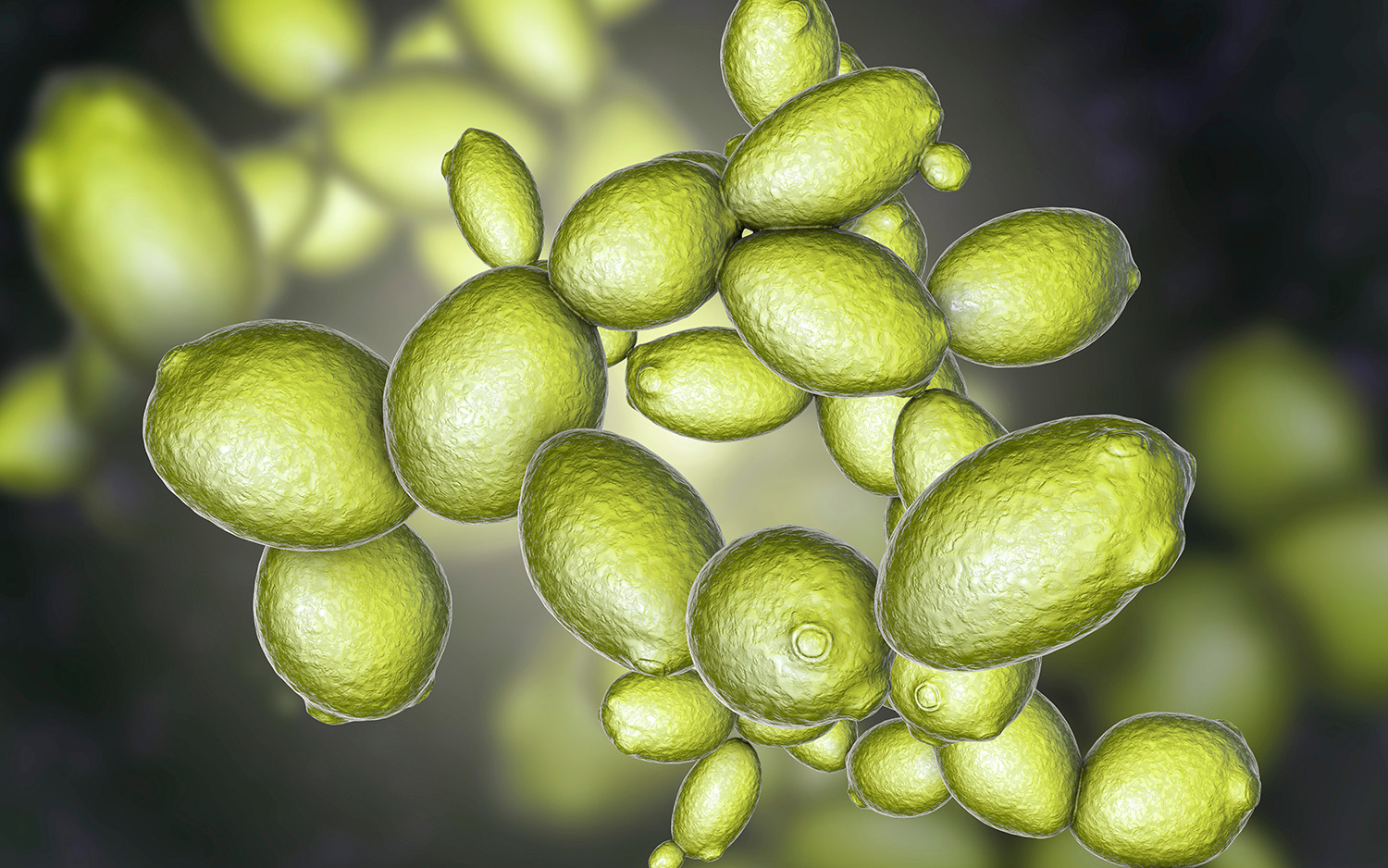
S.Boulardii - The probiotic yeast that saves the holidays
The year is 1923. The French microbiologist Henri Boulard is traveling through Southeast Asia and finds himself in the middle of a cholera epidemic. He discovers that the locals make tea from the peel of lychee and mangosteen fruit to relieve the acute diarrhea caused by cholera, which makes him curious.
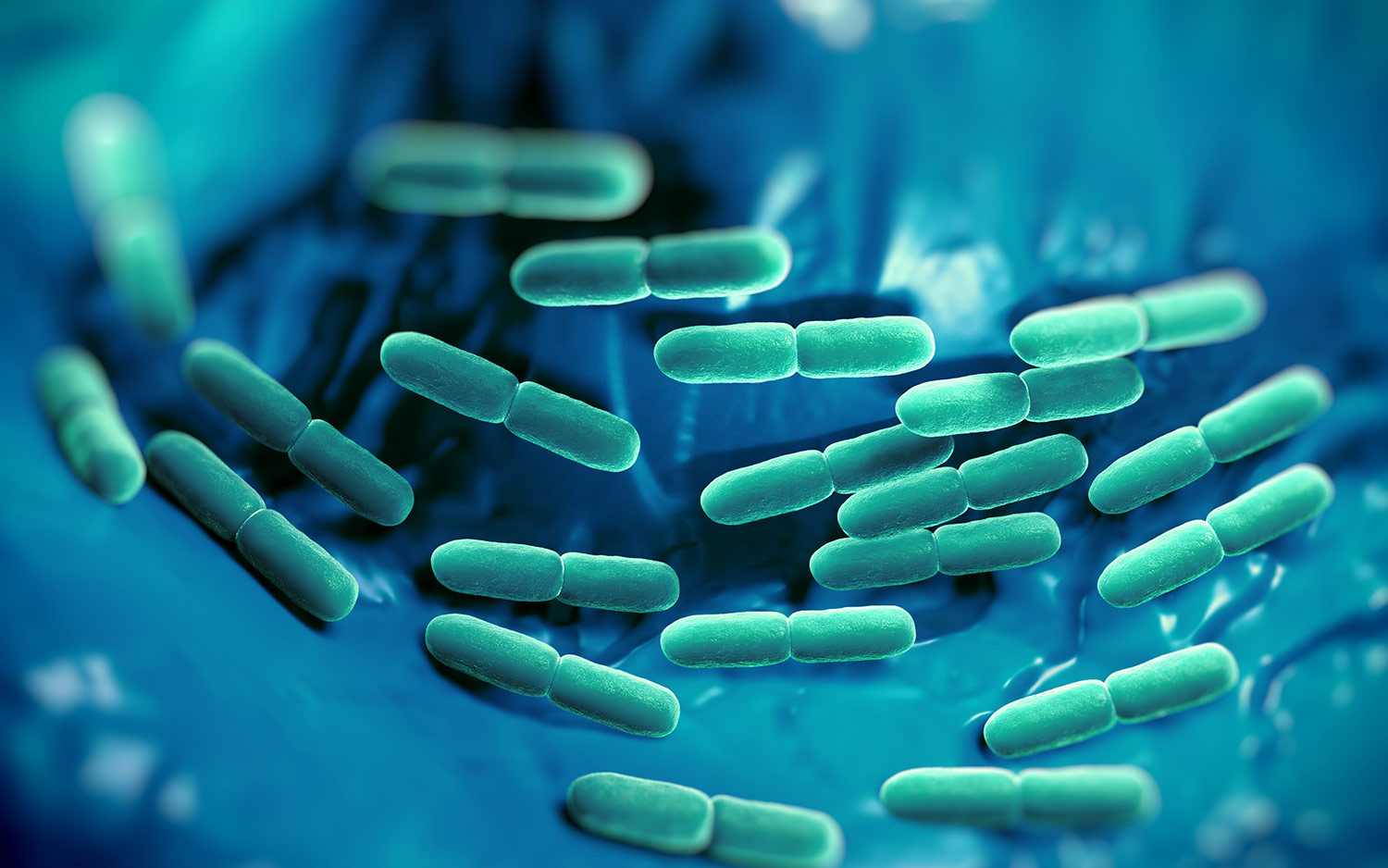
The importance of eating lactic acid bacteria
Poor diet and a lifestyle with high stress expose the intestinal flora to great challenges. It is known today that the species richness and amount of bacteria in the intestinal flora is affected by how we live and what we eat, and that the greater the species richness of the intestinal flora, the better resistance we have to disease and imbalance.

Our manufacturers
In 1934, Institut Rosell was founded by the microbiologist Dr. José Maria Rosell and Dr. Edouard Brochu and today stands as pioneers for the development of probiotics in the world.

Assured survival and patented protection technologies
The properties and activity of lactic acid bacteria depend on their viability in the gastrointestinal tract of the host where they primarily act.

The travel company that can save the holiday.
When you travel, there is a risk that your stomach will be upset and the holiday will have to be spent on the toilet. But with the right preparations, the risk can be reduced, or completely eliminated
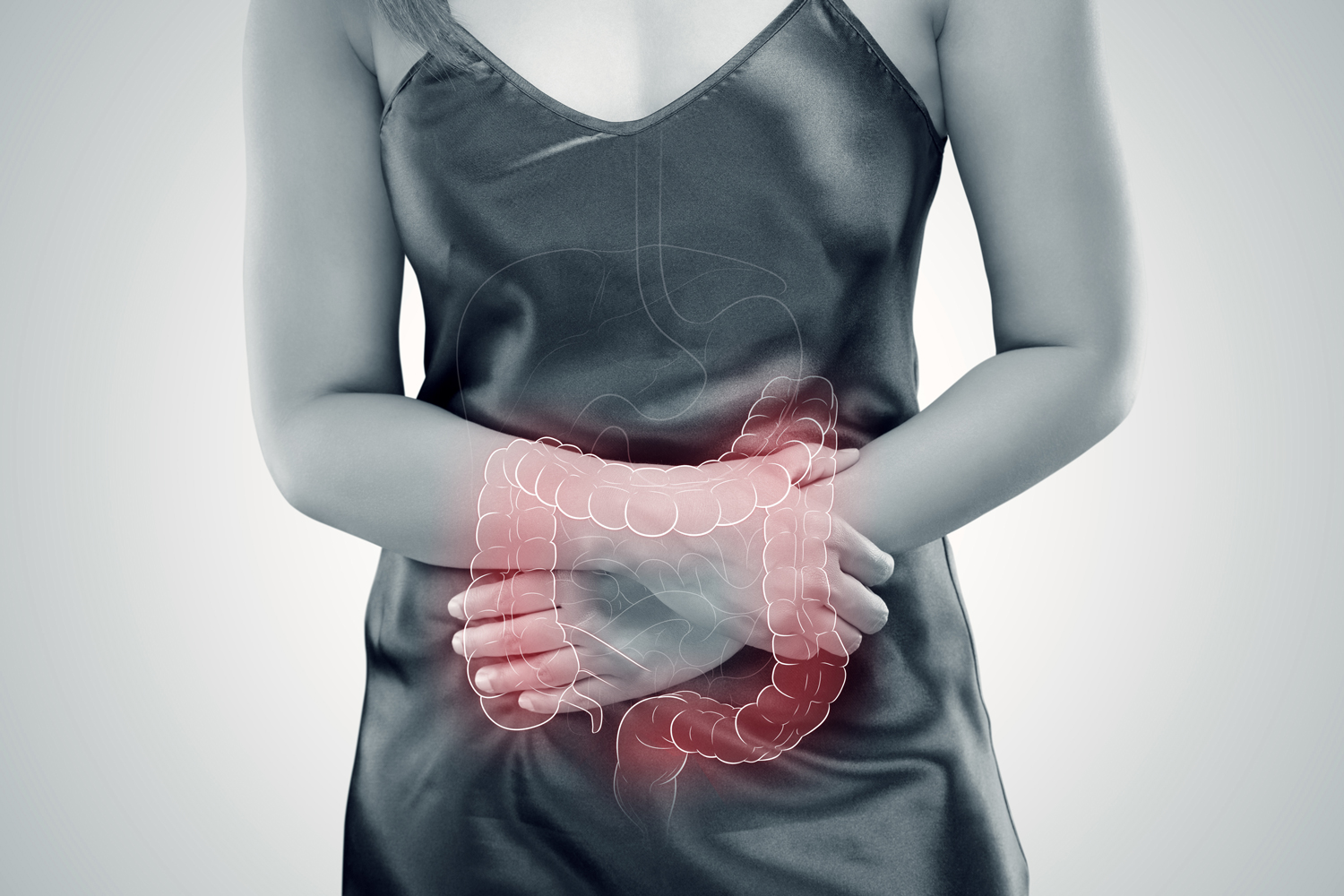
Upset stomach
Disturbances in the gastrointestinal tract - or "uneasy stomach" - are unfortunately a widespread problem today.

About the intestine and the microflora
The intestine is the boundary between the outside and the inside of the body and also the body's most important area for contact and exchange.
About lactic acid bacteria
Microorganisms are found everywhere on earth and in both humans and animals. In all the water, in the air we breathe and in the food we eat.

Microorganisms and probiotics
The word probiotics was coined as early as 1965, but originally comes from the Greek and means "for life". The World Health Organization WHO has later defined the word and its meaning...

The stomach barometer tells how Swedish stomachs feel.
70% state that they have had various types of stomach problems in the last 12 months.
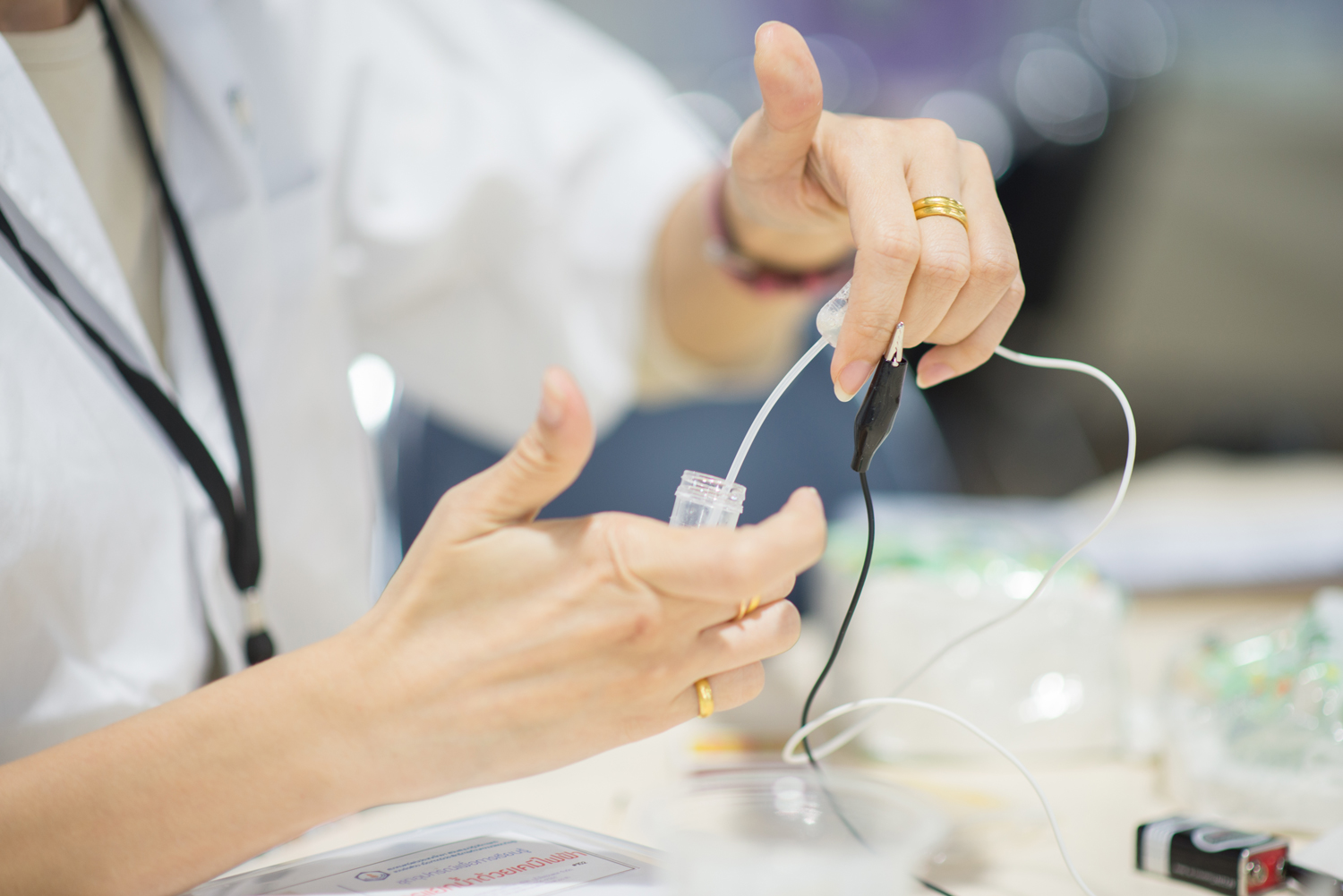
Characterization shows the special properties of the bacterial strains.
There are many different strains of, for example, Lactobacillus acidophilus, but they do not all have the same properties, but affect their environment in different ways.

Balloon stomach, bloated and gassy - most common stomach problems in Swedish women.
Balloon stomach, bloated and gassy are by far the most common stomach problems in Swedish women.

For every need and every occasion.