What is IBS?

What is IBS?
IBS - Irritable Bowel Syndrome, or irritable bowel as it is also called in English. This functional disorder has many names and is not a new phenomenon, IBS has been known for almost 200 years under many different denominations and is a disease that affects more and more young people.
IBS affects about 10-20% of the population and usually debuts before the age of 40. Women are greatly overrepresented, but there is likely to be a large percentage of darkness in men as well. The disease causes great suffering for those affected and accounts for 20-50% of visits to a gastrointestinal specialist and is today the second most common cause of absence from work or school.
Diagnosis
Diagnosing IBS is difficult as the symptoms are rarely constant and vary widely from individual to individual over time. Diagnosis is established partly through the exclusion of another disease and, on the other hand, by established criteria, the so-called Rome IV criteria, in order to be able to call in the symptoms more easily and find connections:
Recurrent abdominal pain at least once a week for an average of the last three months is associated with at least two of these:
- related to defecation
- change in stool frequency;
- change in the shape (appearance) of feces;
Triggering factors to IBS
Several factors play a role in the physiological consequences of developing IBS.
- Psychosocial circumstances - stress and life crises often precede an onset of IBS.
- Inflammation/Infection - onset after gastrointestinal infection.
- Cognitive factors - how we deal with problems and adversities.
- Pharmaceuticals.
- SIBO - bacterial overgrowth in the small intestine of bacteria normally found in the large intestine.
In studies, it has been observed that SIBO occurs in about 60 - 80% of IBS sufferers.
Physiological consequences
In the past, IBS was thought to have psychosomatic causes as the symptoms varied so much between sufferers. Modern research instead provides insights and understanding of physiological causes:
The Interaction between intestinal flora and brain changes. The communication of the intestinal flora with the brain plays a central role in the symptomatology of IBS.
Permeability of the intestine deteriorates and leads to increased ingress of harmful substances
Inflammatory changes in the nervous system of the intestine
Dysbiosis - imbalance in the intestinal flora resulting, among other things, from the overgrowth of pro-inflammatory bacteria in combination with a low presence of protective, beneficial bacteria and low species richness (diversity).
IBS Categories
The variety of symptoms for IBS sufferers is large and divided into different subcategories.
IBS-C (constipation)
IBS-D (diarrhoea)
IBS-M (varying stool)
IBS-I (triggered by previous infection/inflammation)
IBS-U (undefined)
Symptom picture
Visceral hypersensitivity means an increased sensitivity to pain in the abdomen and is the predominant symptom in IBS. The work of the intestine is controlled by an interaction of hormones and nerve signals. IBS sufferers have an increased sensitivity in these nerves and experience about 10 times more pain when stimulated in the gastrointestinal tract than healthy individuals.
Abdominal pain affects more than half of IBS profiles with constipation and 80% of IBS profiles with diarrhea. Visceral hypersensitivity can be likened to a vicious circle of interacting factors and is difficult to break.
Stool disorders
Altered and varying frequency and consistency.
Dyspepsia
Disorders from the upper part of the stomach that may include early feeling of satiety and a burning sensation in the upper stomach pit.
Abdominal distension/flatulence
In IBS, an increased amount of gases accumulate in the stomach which causes stomach pinching, swelling and bloating and often worsens with meals.
Fatigue/Depressed mood
IBS affects everyday life for many, with psychological symptoms such as anxiety and depressed mood and is today the second biggest cause of absenteeism from work or school.
Treatment
IBS has a complex and varied symptomatology and it is therefore difficult to find a treatment that is suitable for everyone in the long term. Treating IBS is about understanding what is causing the trouble and what you can add and subtract from to reduce its discomfort. Often a combination of different treatments is needed to achieve the best result.
Common medicines
- Bulking agent
- Medications for diarrhea
- Laxatives
- Antidepressant drugs
- Proton pump inhibitors - stomach acid lowering agents
Fodmap - dietary therapy
- Developed in 2005 by scientists and nutritionists in Australia.
- Studies show that 75% are helped by FODMAP.
- It is about eliminating fermentable carbohydrates from the diet and keeping those that do not cause symptoms.
Probiotics
High-dose, documented probiotics have shown good efficacy in IBS in studies and are today an established supplement for gastrointestinal specialists in IBS treatment.
Psycho/Physiological Treatment
- Relaxation
- CBT (Cognitive Behavioral Therapy)
- Hypnosis - studies show a great improvement in the picture of symptoms
- TNS, acupuncture
Summing up
IBS is a complex and often life-affecting disease that requires an individual and holistic treatment approach. By understanding their triggers, working on diet, and possibly combining medical treatment with psychological interventions, many can find relief and improve their quality of life. Remember, there is no one-size-fits-all solution — what works for one person may not work for another. It is important to work closely with a doctor or specialist to develop a treatment plan that suits your particular needs.
Uppblåst och gasig mage? Så återfår du balansen i tarmfloran
Lyssna på Stine Åsell (Produktchef LactiPlus) och Suzanne Axell (Journalist & Programledare) när de diskuterar ett av de vanligaste problemen i Sverige, nämligen en god och balanserad tarmflora.

Stärk ditt barns immunsystem, Goda Bakterier och D-Vitamin
Lyssna på Stine Åsell (Produktchef LactiPlus) och Suzanne Axell (Journalist & Programledare) när de pratar om VAB, Barnets immunsystem, Goda bakterier och D-Vitamin

Känslig tarm, IBS, Uppblåsthet, Gaser
Lyssna på Stine Åsell (Produktchef LactiPlus) och Suzanne Axell (Journalist & Programledare) när de pratar IBS och Känslig tarm.

Bakterier, Tarmfloran, Maghälsa
Lyssna på Stine Åsell (Produktchef LactiPlus) och Suzanne Axell (Journalist & Programledare) när de pratar om tarmfloran och de goda bakteriernas betydelse för vår maghälsa

Probiotics and the Immune System
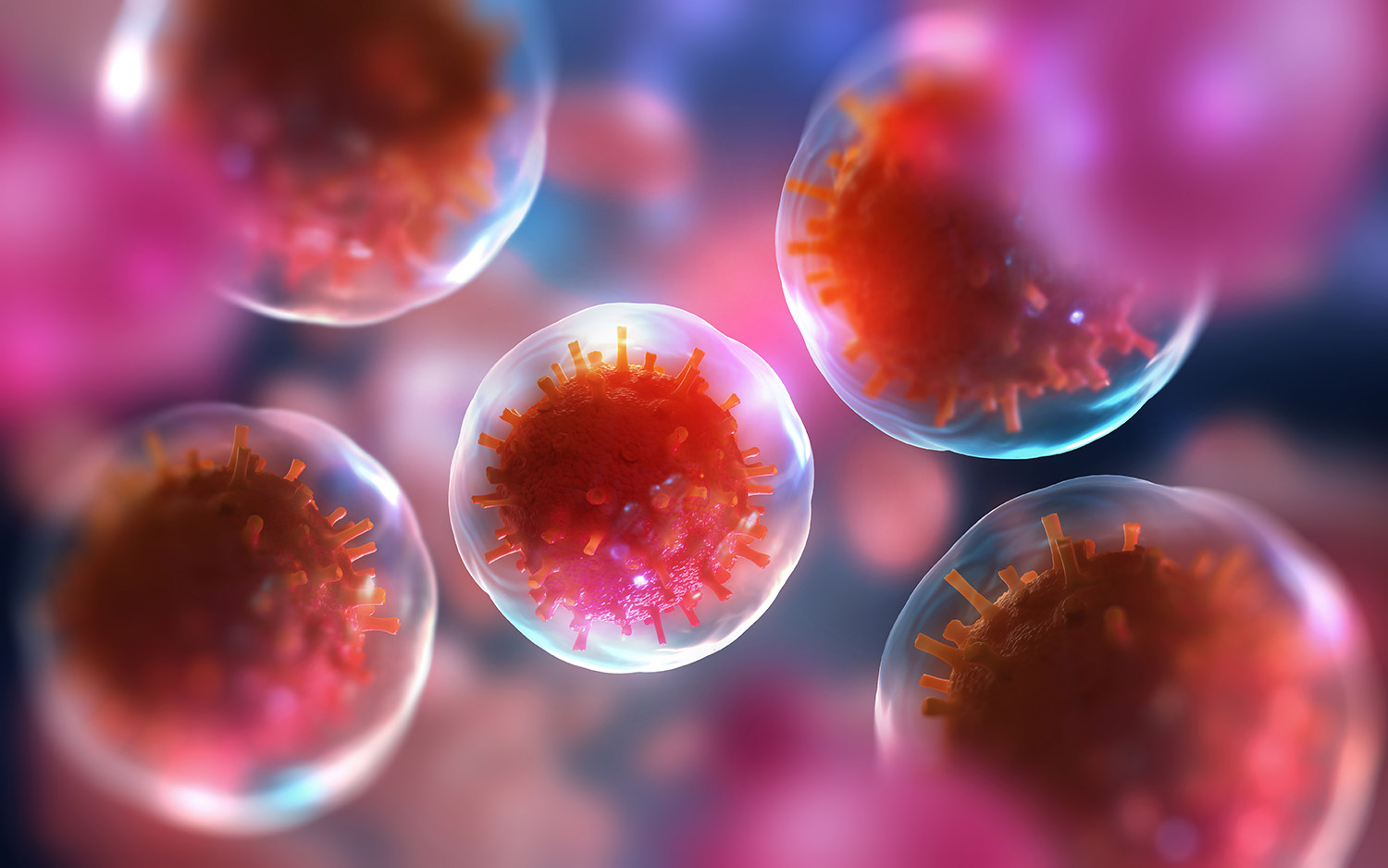
The responsibility of the immune system is to protect us and keep the balance between invaders and defenses through the correct immune response, but also through physical, mechanical, chemical and microbiological barriers such as urinary tract, skin and gastrointestinal tract.
S.Boulardii - The probiotic yeast that saves the holidays
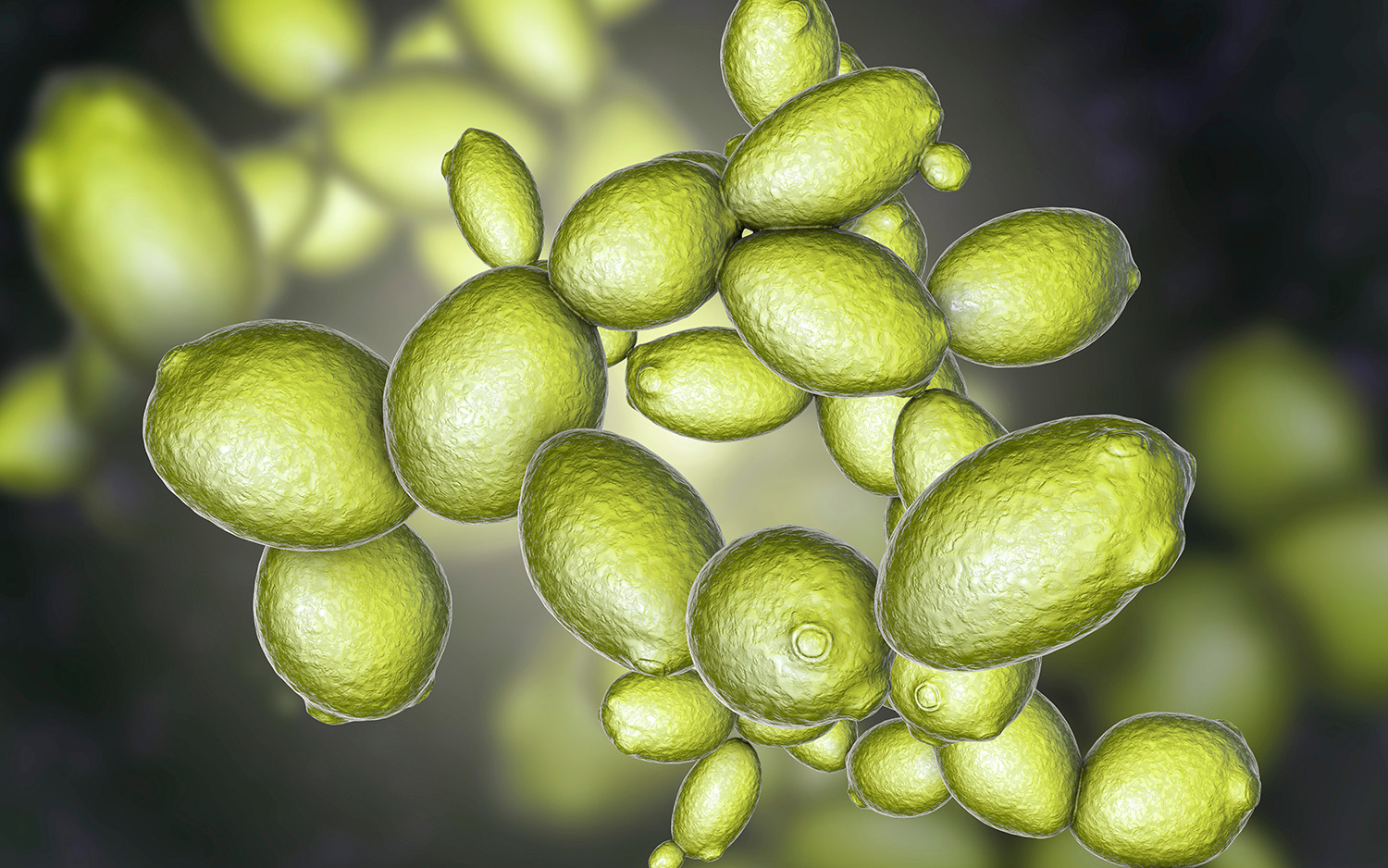
The year is 1923. French microbiologist Henri Boulard is transiting Southeast Asia and finds himself caught in the middle of a cholera epidemic. He discovers that the locals make tea on the peel of lychee and mangosteen fruit to relieve the acute diarrhea brought on by cholera, which makes him curious..
The Importance of Eating Lactic Acid Bacteria
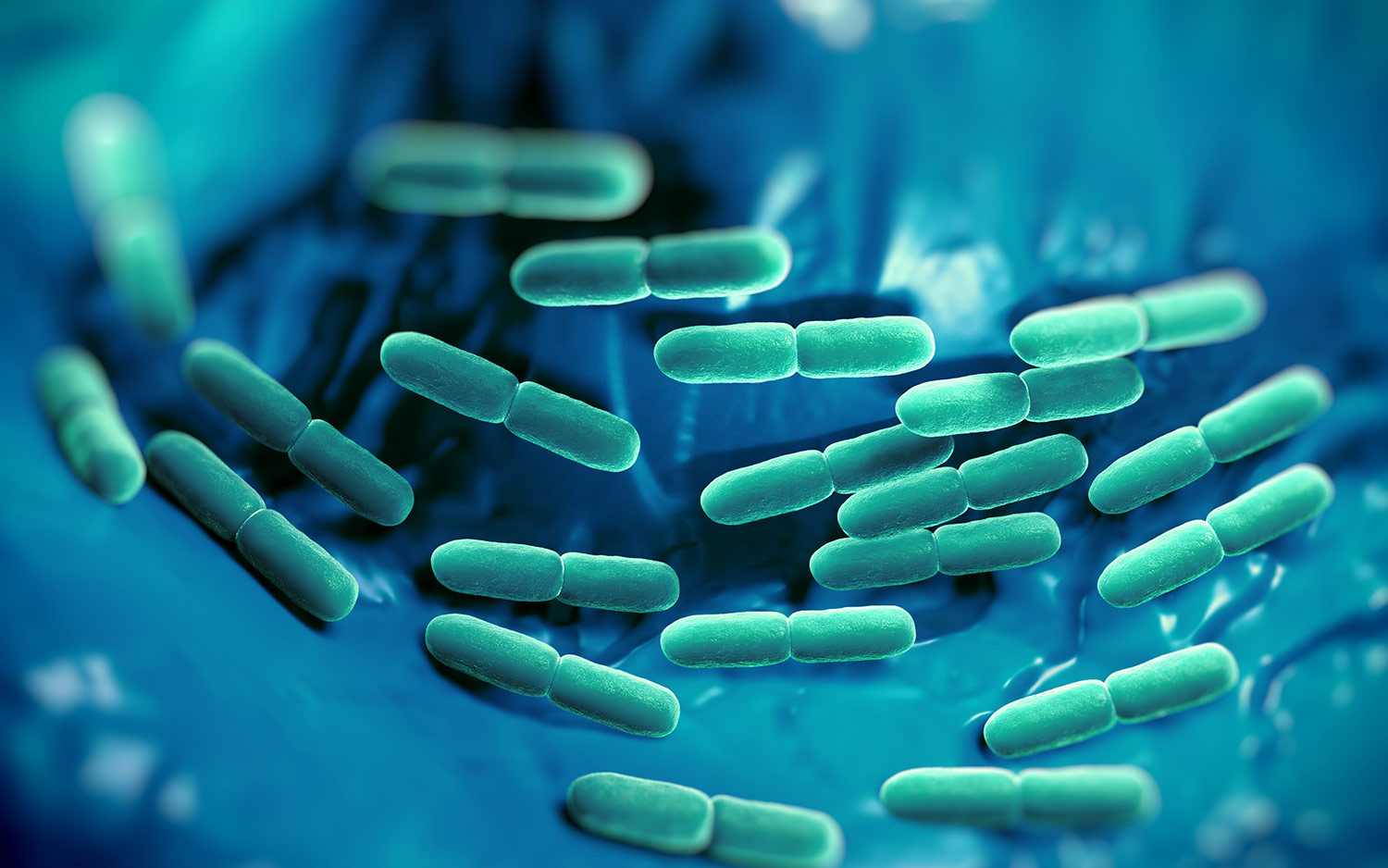
Poor diet and a high-stress lifestyle expose the intestinal flora to great challenges. It is known today that the species richness and bacterial abundance of the intestinal flora are influenced by how we live and what we eat and that the greater the species richness of the intestinal flora, the better the resistance we have to disease and imbalance.

The important intestinal flora of the little ones
The intestinal flora is gradually established and developed in different stages during these 1,000 days. Diversity and composition of the intestinal flora is influenced by several factors..

Våra tillverkare
1934 grundades Institut Rosell av mikrobiologen Dr José Maria Rosell och Dr Edouard Brochu och står idag som pionjärer för utvecklingen av probiotika i världen.

Säkrad överlevnad och patenterade skyddstekniker
Egenskaperna och aktiviteten hos mjölksyrabakterier beror på deras på deras livsduglighet i mag-tarmkanalen hos värden där de primärt verkar.

Resesällskapet som kan rädda semestern.
När man reser finns det risk för att magen kommer i olag och semestern får tillbringas på toaletten. Men med rätt förberedelser kan risken minskas, eller helt utebli
Orolig mage
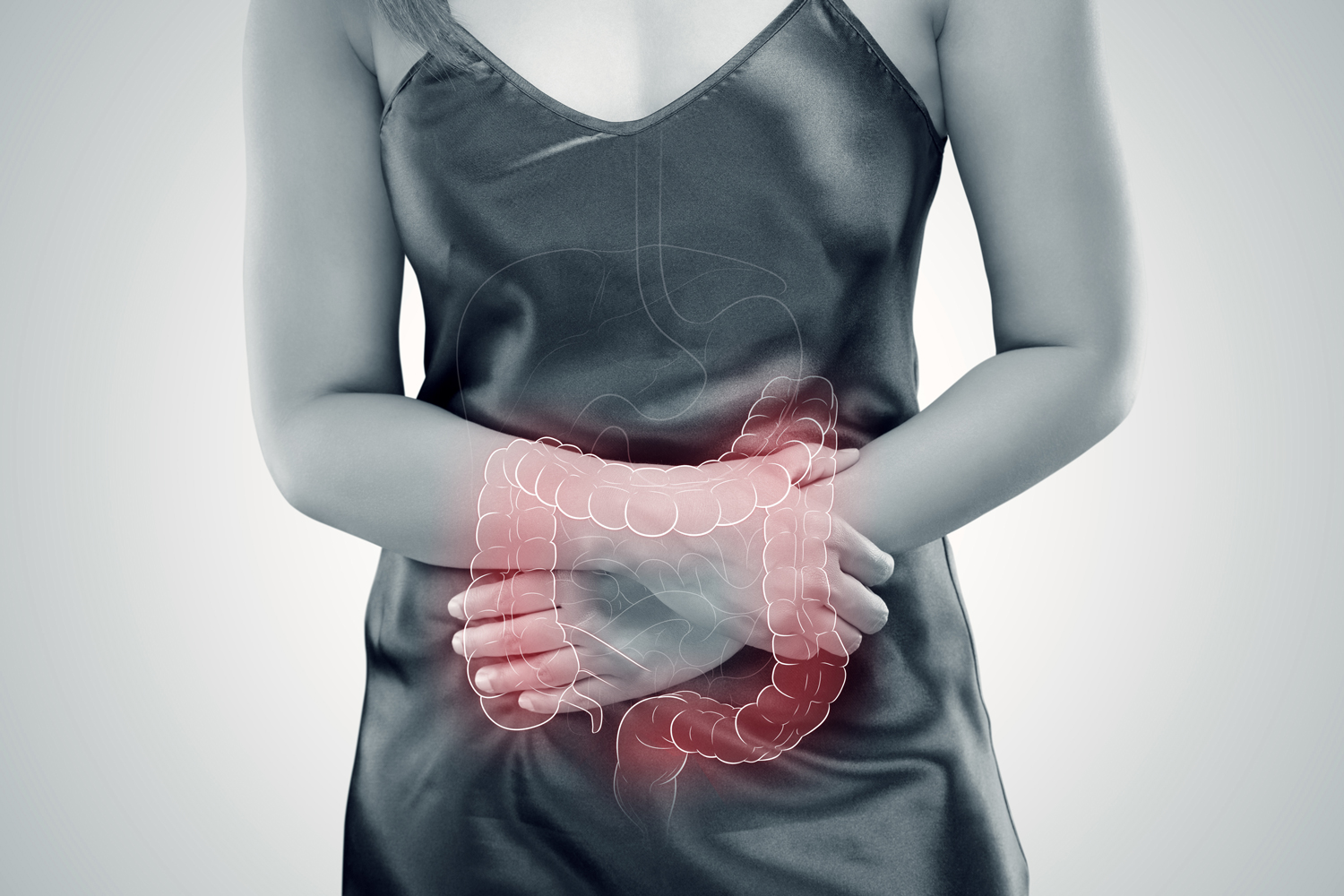
Störningar i mag-tarmkanalen – eller ”orolig mage” – är dessvärre ett utbrett problem idag.

Om tarmen och mikrofloran
Tarmen är gränsen mellan utsidan och insidan av kroppen och också kroppens viktigaste område för kontakt och utbyte.
Om mjölksyrabakterier
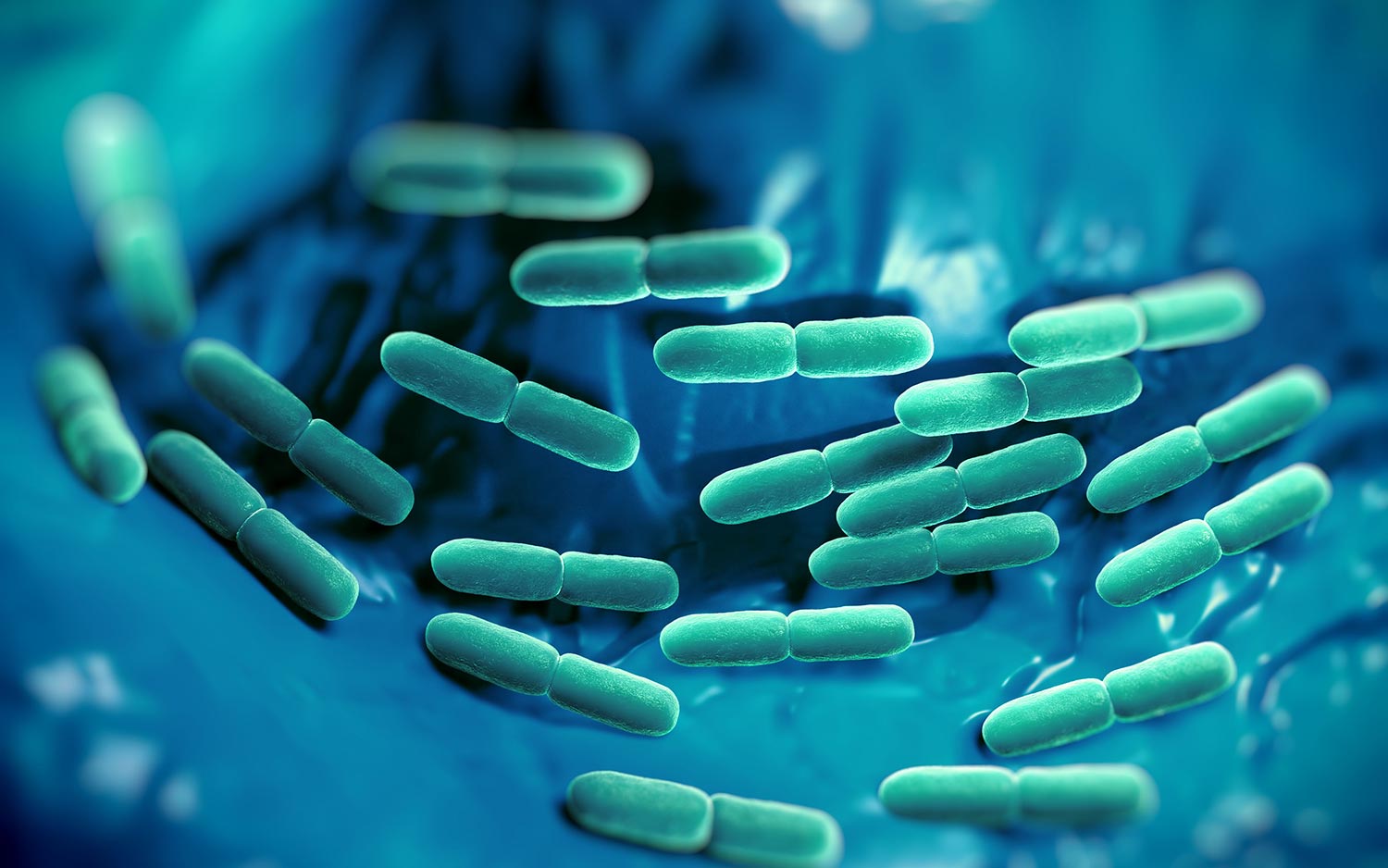
Mikroorganismer finns överallt på jorden och i såväl människor som djur. I allt vatten, i luften vi andas och i maten vi äter.

Mikroorganismer och probiotika
Ordet probiotika myntades redan 1965, men kommer ursprungligen från grekiskan ochbetyder ”för livet”. Världshälsoorganisationen WHO har senare definierat ordet och dessbetydelse...

Magbarometern berättar hur svenska magar mår.
70% uppger att de haft olika typer av magbesvär den senaste 12 månadersperioden.
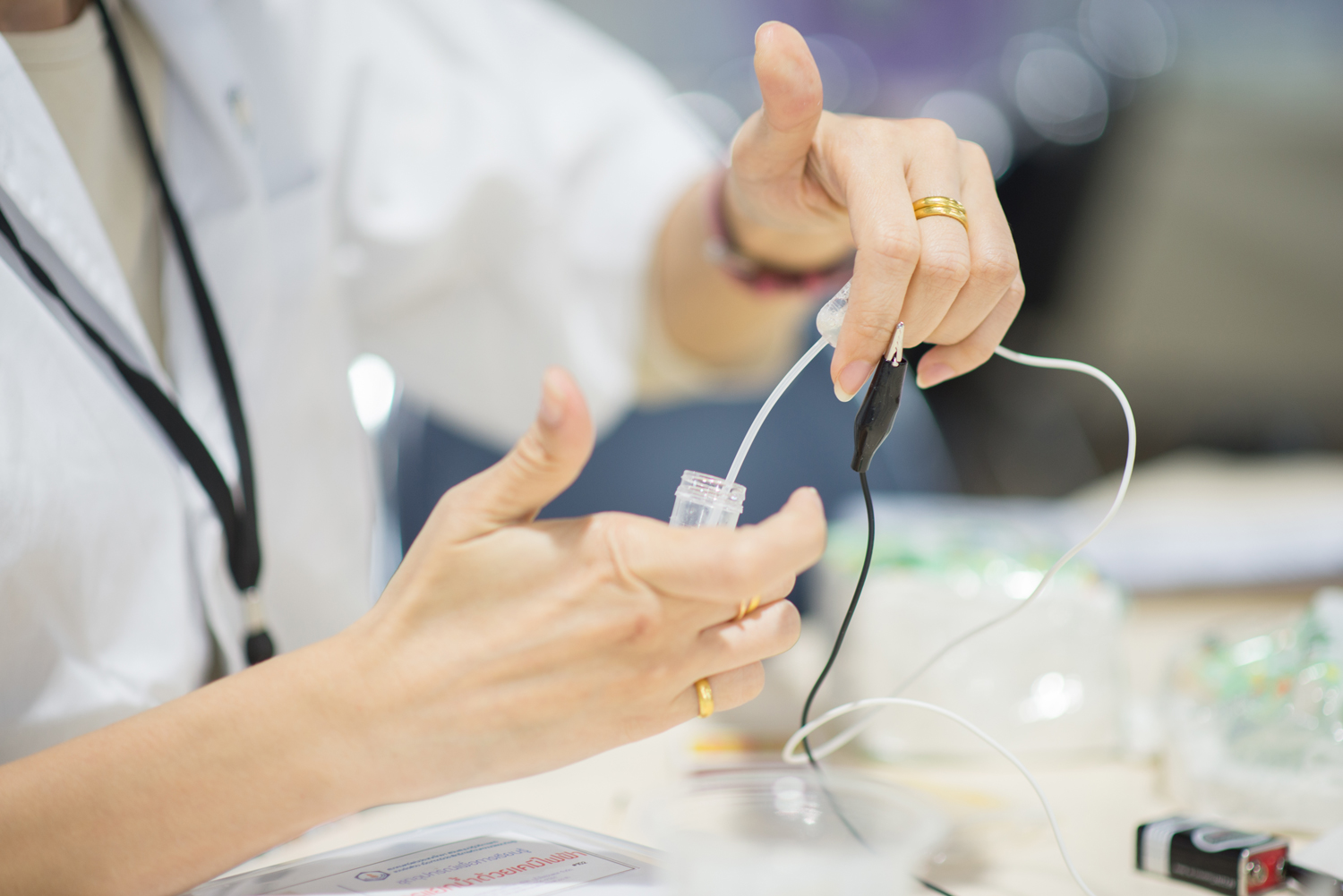
Karakterisering visar bakteriestammarnas speciella egenskaper.
Det finns många olika stammar av exempelvis Lactobacillus acidophilus, men alla har inte samma egenskaper, utan påverkar sin miljö på olika sätt

Ballongmage, uppblåst och gasig - vanligaste magbesvären hos svenska kvinnor.
Ballongmage, uppblåst och gasig är de absolut vanligaste magbesvären hos svenska kvinnor.

For every need and for every occasion.